5 Days Queen Elizabeth and Lake Mburo Safari
April 2, 2026
How Much Does a Uganda Safari Cost?
August 31, 2026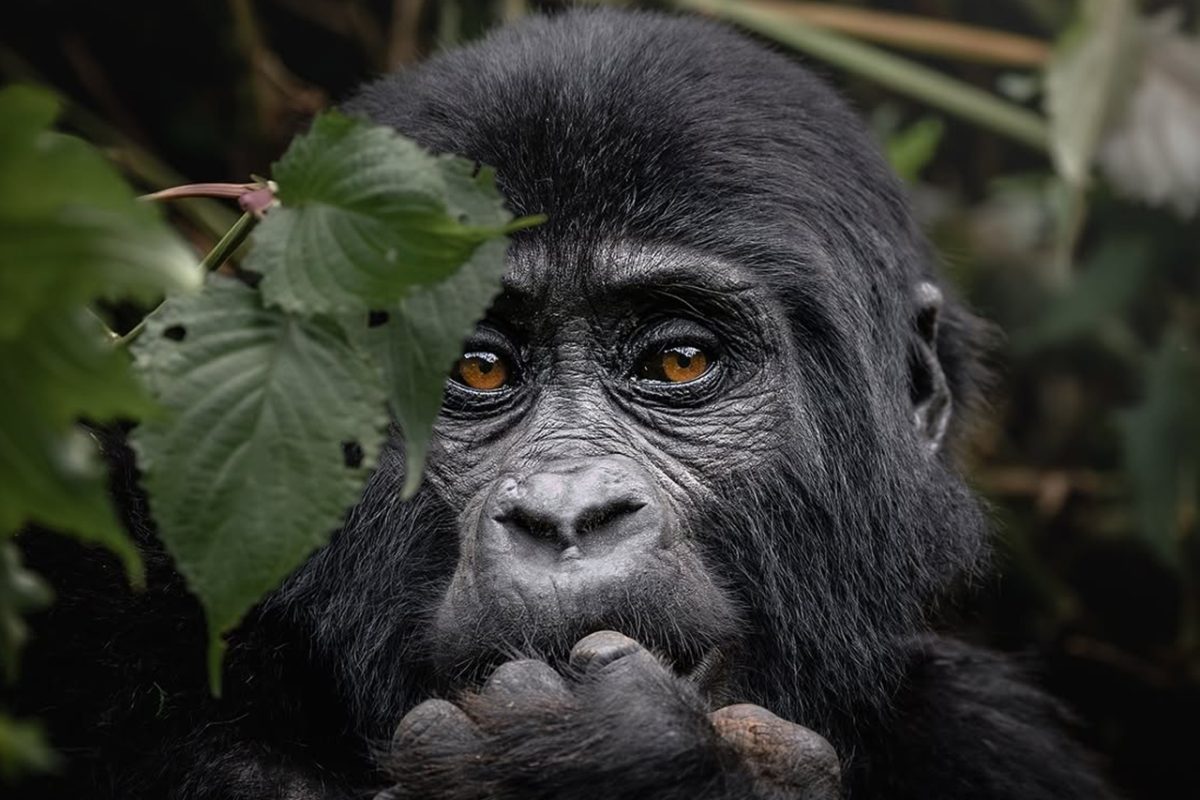
Best Time to Visit Uganda for a Safari: A Complete Travel Guide
Uganda, famously known as the Pearl of Africa, is one of East Africa’s most rewarding safari destinations. From the vast savannahs of Murchison Falls and Queen Elizabeth National Parks to the misty forests of Bwindi and Kibale, Uganda offers an incredible combination of wildlife, primates, landscapes, culture, and adventure. But when is the best time to visit Uganda for a safari? The good news is that Uganda is a year-round safari destination. However, different seasons offer different advantages depending on whether you want to see wildlife, trek mountain gorillas, track chimpanzees, enjoy bird watching, or experience Uganda with fewer tourists.
At Teta Wildlife Safaris, we help travelers choose the ideal travel season based on their interests, budget, and preferred safari experience.
When Is the Best Time to Visit Uganda?
For most travelers, the best time to visit Uganda for a safari is during the dry seasons from June to September and December to February.
During these periods, rainfall is generally lower, roads and safari tracks are easier to navigate, and wildlife in many savannah parks is easier to spot because animals tend to gather around available water sources. Uganda Wildlife Authority also identifies the dry seasons as particularly favorable for wildlife viewing in destinations such as Murchison Falls National Park.
However, Uganda’s different regions have their own weather patterns, and the rainy seasons can also offer excellent safari experiences.
Uganda Safari Seasons at a Glance
| Season | Months | What to Expect |
|---|---|---|
| Dry Season | June–September | Excellent wildlife viewing, easier trekking conditions |
| Dry Season | December–February | Excellent game viewing and generally favorable travel conditions |
| Wet Season | March–May | Lush scenery, fewer tourists and good birding |
| Wet Season | October–November | Green landscapes, fewer visitors and good photography opportunities |
June to September: One of the Best Times for a Uganda Safari
June through September is considered one of the best periods for a classic Uganda wildlife safari.
The weather is generally drier, making game drives more comfortable and many safari roads easier to navigate. Wildlife viewing can be particularly rewarding because animals often concentrate around rivers, lakes, and other water sources.
This is an excellent season for visiting:
- Murchison Falls National Park
- Queen Elizabeth National Park
- Kidepo Valley National Park
- Lake Mburo National Park
- Bwindi Impenetrable National Park
- Kibale National Park
It is also a popular period for gorilla trekking in Uganda, particularly for travelers who prefer relatively drier hiking conditions.
If your dream trip combines gorilla trekking with a Big Five or classic wildlife safari, June to September is an excellent period to consider.
December to February: Excellent for Wildlife and Gorilla Safaris
December, January, and February form Uganda’s second major dry period.
These months are particularly attractive for travelers looking for a combination of wildlife viewing and primate experiences. According to Uganda Wildlife Authority, the dry season from December to February is favorable for wildlife viewing, while January to March can also be an excellent period for bird watching in Murchison Falls.
You can combine destinations such as:
Murchison Falls + Kibale Forest + Queen Elizabeth + Bwindi
This type of itinerary allows you to experience Uganda’s remarkable diversity in one journey, from savannah wildlife and chimpanzees to mountain gorillas and spectacular landscapes.
December and January can also be attractive for travelers who want to escape the winter weather in Europe, North America, and other northern-hemisphere destinations.
March to May: The Green Season
March to May is part of Uganda’s wetter period.
While rainfall can make some roads and forest trails more challenging, the green season has its own unique advantages.
The landscapes become lush and vibrant, vegetation flourishes, and the scenery can be spectacular for photography.
There are also generally fewer travelers compared with the busier dry-season periods, which can make the safari feel more peaceful and exclusive.
For travelers who are flexible with weather and want a more relaxed safari experience, this can be an excellent time to visit.
October to November: Another Beautiful Green Season
October and November bring another period of increased rainfall in many parts of Uganda.
The countryside becomes beautifully green, and wildlife viewing remains possible.
This season can be particularly appealing to travelers interested in photography, birding, and experiencing Uganda away from peak tourist periods.
Rain showers do not necessarily last all day. In many cases, they occur as short afternoon or evening showers, although weather patterns vary by destination.
Best Time for Gorilla Trekking in Uganda
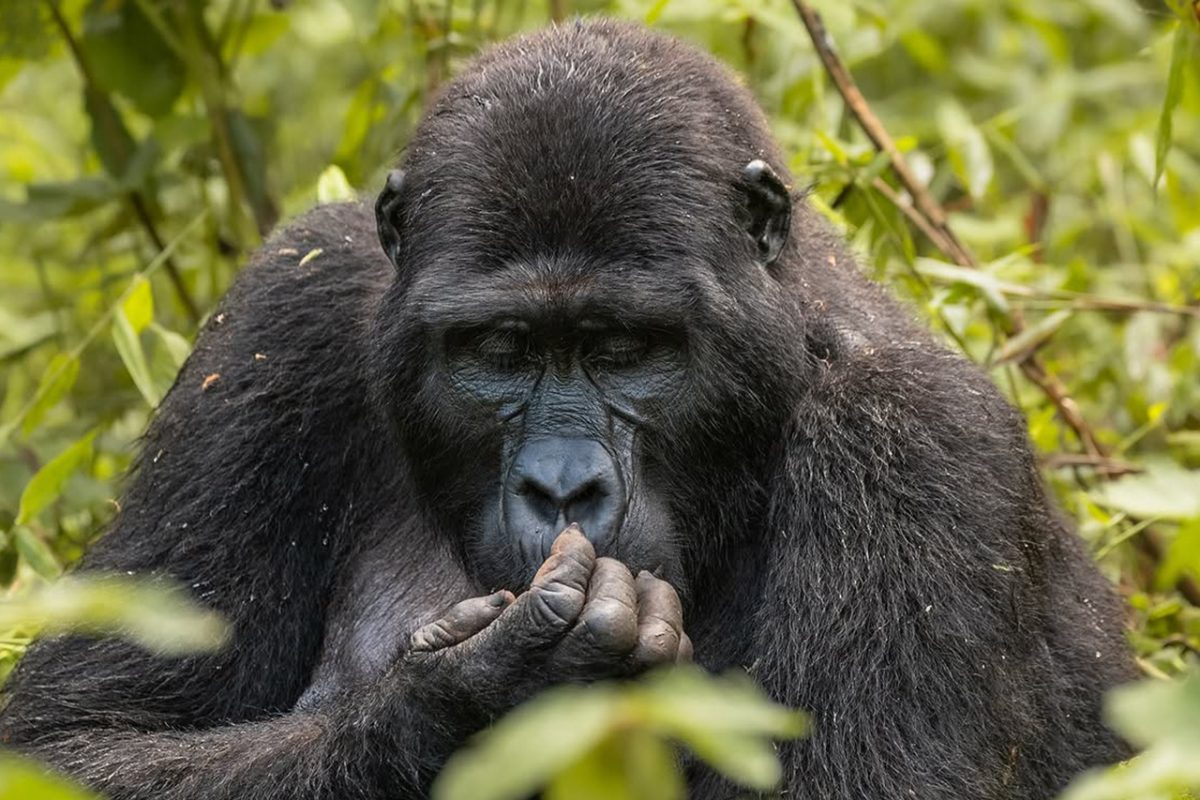
Gorilla trekking is one of Uganda’s most famous experiences, particularly in Bwindi Impenetrable National Park and Mgahinga Gorilla National Park.
Gorilla trekking is possible throughout the year.
However, many travelers prefer the drier months of June to September and December to February, when hiking conditions can be more favorable.
It is important to remember that gorilla trekking takes place in a rainforest environment. Even during the dry season, rain is always possible.
The forest can be steep, muddy, and challenging, but this is also part of what makes the experience so extraordinary.
If you are planning a gorilla trekking safari, we recommend booking your permit well in advance, especially for travel during popular periods.
Best Time for Gorilla Habituation Experience
For travelers looking for a longer and more immersive gorilla experience, Uganda also offers the Gorilla Habituation Experience in Bwindi.
Instead of the standard gorilla trekking experience, habituation allows visitors to spend considerably more time observing gorillas as they become accustomed to human presence.
Because habituation permits are limited, travelers interested in this experience should plan and book early.
Teta Wildlife Safaris can help arrange gorilla permits, accommodation, transportation, guides, and the complete safari itinerary.
Best Time for Chimpanzee Tracking
Uganda is one of Africa’s leading destinations for chimpanzee experiences, particularly in Kibale National Park, often described as one of Africa’s premier destinations for primate encounters.
Chimpanzee tracking and habituation experiences can take place throughout the year.
Interestingly, Uganda Wildlife Authority notes that chimpanzee tracking can be particularly rewarding during the rainy season because chimpanzees may remain closer to food sources, although forest conditions can be muddy.
Therefore, travelers interested primarily in chimpanzees should not automatically avoid the wetter months.
Best Time for Wildlife Viewing in Uganda
For traditional savannah wildlife viewing, the dry seasons are generally the best choice.
Murchison Falls National Park
The dry seasons from December to February and June to September are particularly favorable for game viewing in Murchison Falls. Wildlife may concentrate around water sources, making sightings easier.
You may encounter:
- African elephants
- Lions
- Leopards
- Buffaloes
- Giraffes
- Uganda kobs
- Hippos
- Crocodiles
- Numerous antelope species
A boat cruise along the Victoria Nile toward the base of Murchison Falls adds another spectacular dimension to the safari.
Queen Elizabeth National Park
Queen Elizabeth National Park is a year-round destination offering game drives, boat cruises on the Kazinga Channel, chimpanzee tracking, and other wildlife experiences.
The drier months are generally favorable for traditional game viewing, while the greener months provide beautiful scenery and excellent photography opportunities.
Kidepo Valley National Park
Kidepo Valley is one of Uganda’s most remote and spectacular safari destinations.
The dry months are generally preferred for wildlife viewing because animals become easier to locate around water sources and the vegetation is less dense.
For travelers looking for a remote African wilderness experience, Kidepo can be an outstanding addition to a Uganda safari.
Best Time for Bird Watching in Uganda
Uganda is an exceptional birding destination and is suitable for bird watching throughout the year.
Uganda Wildlife Authority notes that birding is possible year-round because of the country’s large population of resident birds. However, late May through September can be particularly favorable, with less rain and abundant food.
December and January can also provide favorable birding conditions in different parts of the country.
Birding highlights can include:
- Shoebill
- Great Blue Turaco
- African Fish Eagle
- Grey Crowned Crane
- African Green Broadbill
- Shelley’s Crimsonwing
- Albertine Rift endemics
Popular birding destinations include Bwindi, Mgahinga, Kibale, Murchison Falls, Queen Elizabeth, Mabamba Wetland, and Semuliki.
Best Time to Visit Uganda for Fewer Tourists
If avoiding crowds is important to you, consider traveling during the wetter months.
The periods of March to May and October to November can provide a quieter experience in many destinations.
There may be fewer visitors on game drives, trekking trails, and at some lodges.
For travelers who do not mind occasional rain, this can be an excellent way to experience Uganda more privately.
Is Uganda Worth Visiting During the Rainy Season?
Absolutely.
Uganda’s rainy seasons should not be considered a “bad” time to visit.
Rain brings the landscape to life. Forests become greener, savannahs transform into beautiful landscapes, and photography conditions can be exceptional.
The main consideration is that rain can make some roads and forest trails muddy, and certain activities may require greater flexibility.
For adventurous travelers, however, the green season can provide an unforgettable safari.
What Is the Cheapest Time to Visit Uganda?
Travel costs depend on the lodge, safari style, permits, availability, and itinerary rather than weather alone.
However, travelers may find better value during quieter travel periods, particularly when accommodation demand is lower.
If you are traveling on a budget, speak to Teta Wildlife Safaris about your preferred dates. We can recommend suitable accommodation and design an itinerary that balances cost with comfort and experience.
Best Time for a Combined Gorilla and Wildlife Safari
One of the greatest advantages of visiting Uganda is that you can combine primate experiences with traditional wildlife safaris.
For example:
7-Day Uganda Gorilla & Wildlife Safari
Murchison Falls National Park
Kibale Forest
Queen Elizabeth National Park
Bwindi Impenetrable National Park
Or a longer itinerary could include:
Gorilla Trekking + Chimpanzee Tracking + Big Five Wildlife + Boat Cruises + Cultural Experiences
The dry seasons are particularly convenient for these multi-destination safaris, but Uganda can be explored throughout the year.
Uganda Safari by Month
January
Generally dry and excellent for wildlife viewing. A good month for combining savannah wildlife and primate experiences.
February
Usually favorable for game drives, gorilla trekking, chimpanzee tracking, and general safari travel.
March
The beginning of a wetter period in many regions. Lush landscapes and fewer tourists.
April
One of the wetter periods. Roads and forest trails can become muddy, but the scenery is beautiful.
May
Green landscapes and improving conditions toward the end of the month. Good for travelers seeking fewer crowds.
June
The beginning of one of Uganda’s best dry periods. Excellent for wildlife and gorilla trekking.
July
A popular safari month with generally favorable conditions for wildlife viewing and trekking.
August
Another excellent month for safari and gorilla trekking, particularly for travelers seeking drier conditions.
September
Generally dry and excellent for wildlife viewing, gorilla trekking, and combined safari itineraries.
October
The beginning of another wetter period in many areas. Beautiful green landscapes.
November
Rainfall can occur, but the country remains highly rewarding for safari, birding, and primate experiences.
December
A popular month with generally favorable conditions, particularly toward the end of the year.
So, What Is the Best Month to Visit Uganda?
There is no single “perfect” month for every traveler.
For general wildlife safaris, consider June to September and December to February.
For gorilla trekking, the dry seasons are popular because trekking conditions can be more favorable.
For bird watching, late May to September is particularly attractive, while birding remains possible year-round.
For fewer tourists and greener scenery, consider March to May or October to November.
For chimpanzee tracking, Uganda is a year-round destination, and the wetter months can offer their own advantages.
Plan Your Uganda Safari with Teta Wildlife Safaris
Uganda offers something special in every season.
Whether you dream of standing in the misty forests of Bwindi with mountain gorillas, watching elephants beside the Nile, searching for lions on the savannah, tracking chimpanzees in Kibale, searching for the elusive shoebill, or exploring the remote wilderness of Kidepo Valley, choosing the right season can help you get the most from your journey.
At Teta Wildlife Safaris, we create tailor-made Uganda safari experiences based on your travel dates, interests, budget, and preferred level of comfort.
Our team can arrange:
- Gorilla trekking safaris
- Gorilla habituation experiences
- Chimpanzee tracking and habituation
- Big Five wildlife safaris
- Birding safaris
- Uganda family safaris
- Luxury Uganda safaris
- Budget and mid-range safaris
- Private and tailor-made tours
- Combined Uganda, Kenya, Rwanda and Tanzania safaris
Ready to explore the Pearl of Africa?
Contact Teta Wildlife Safaris today and let us help you choose the best time and itinerary for your Uganda safari.
Frequently Asked Questions
Is Uganda good to visit all year round?
Yes. Uganda is a year-round safari destination. Each season offers different advantages depending on your interests.
What are the dry seasons in Uganda?
The main dry periods are generally December to February and June to September.
What is the best time for gorilla trekking in Uganda?
Gorilla trekking is available throughout the year, but many travelers prefer June to September and December to February because conditions can be relatively drier.
What is the best time for a wildlife safari?
June to September and December to February are generally excellent periods for wildlife viewing, particularly in Uganda’s savannah parks.
Can I visit Uganda during the rainy season?
Yes. Rainy-season safaris can be excellent, particularly for photography, bird watching, lush scenery, and travelers looking for fewer tourists.
How far in advance should I book a Uganda safari?
For popular travel periods and especially gorilla trekking or gorilla habituation, booking well in advance is recommended because permits and preferred accommodation can be limited.
Can I combine gorilla trekking with a wildlife safari?
Yes. Uganda is ideal for combined itineraries featuring gorillas, chimpanzees, elephants, lions, buffaloes, giraffes, boat cruises, birding, and cultural experiences.
Final Recommendation
If you want the best overall Uganda safari experience, we recommend considering June to September or December to February.
But don’t let the rainy season stop you. Uganda’s wildlife experiences are available throughout the year, and the green season can offer excellent value, fewer tourists, beautiful scenery, and exceptional photography opportunities.
The best safari is ultimately the one designed around what you want to see, when you can travel, and how you want to experience Uganda.
Teta Wildlife Safaris — Discover Uganda, the Pearl of Africa.
Request for a Trip Quote
We would love to help you plan an unforgettable Uganda or Rwanda safari. Fill in the brief form below to receive a free, personalized quote or expert advice for your gorilla trekking, wildlife, chimpanzee, and cultural safari experience.
You can also contact us directly:
Email: info@tetawildlifesafaris.com
WhatsApp: +256743599728
Our safari specialists will create a tailor-made itinerary based on your travel dates, interests, preferred experiences, and budget.